$36 Million into the Void: What Video Gambling Costs Streator
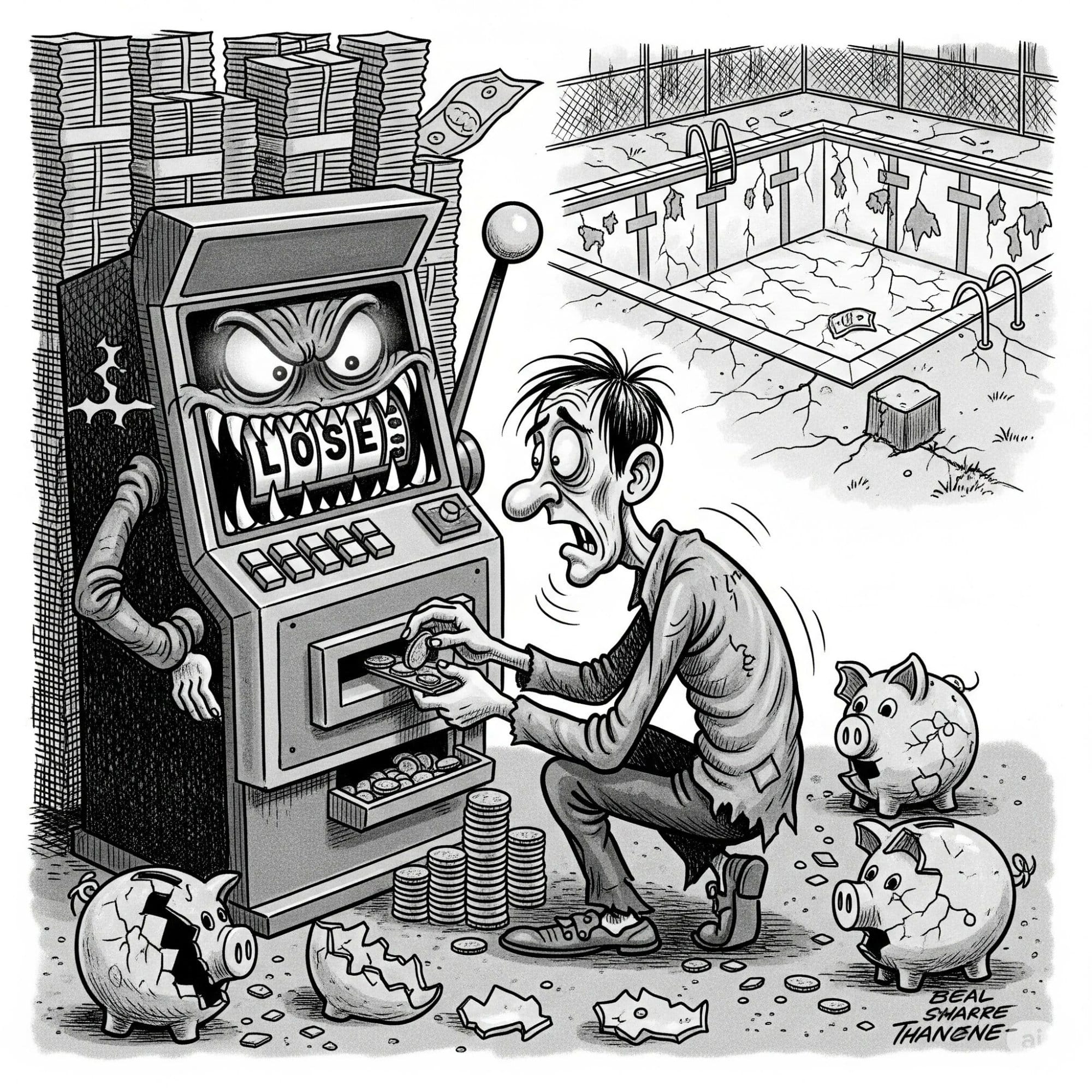
Let’s start with the numbers.
Between May 2020 and May 2025, people in Streator lost $35,954,858 playing video gambling machines. That averages out to about $7.2 million per year.
But here's the part that should make us all sit up straighter:
In just the past 12 months—from June 2024 to June 2025—Streator gamblers have lost a staggering $9,411,255.36 at video gaming machines.
That’s not just a big jump—it’s a warning light flashing in bold red.
We’re not here to shame anyone. This isn’t about telling people how to spend their money. But we are here to ask:
Is this really the kind of fun we want to be investing in?
This isn't Las Vegas
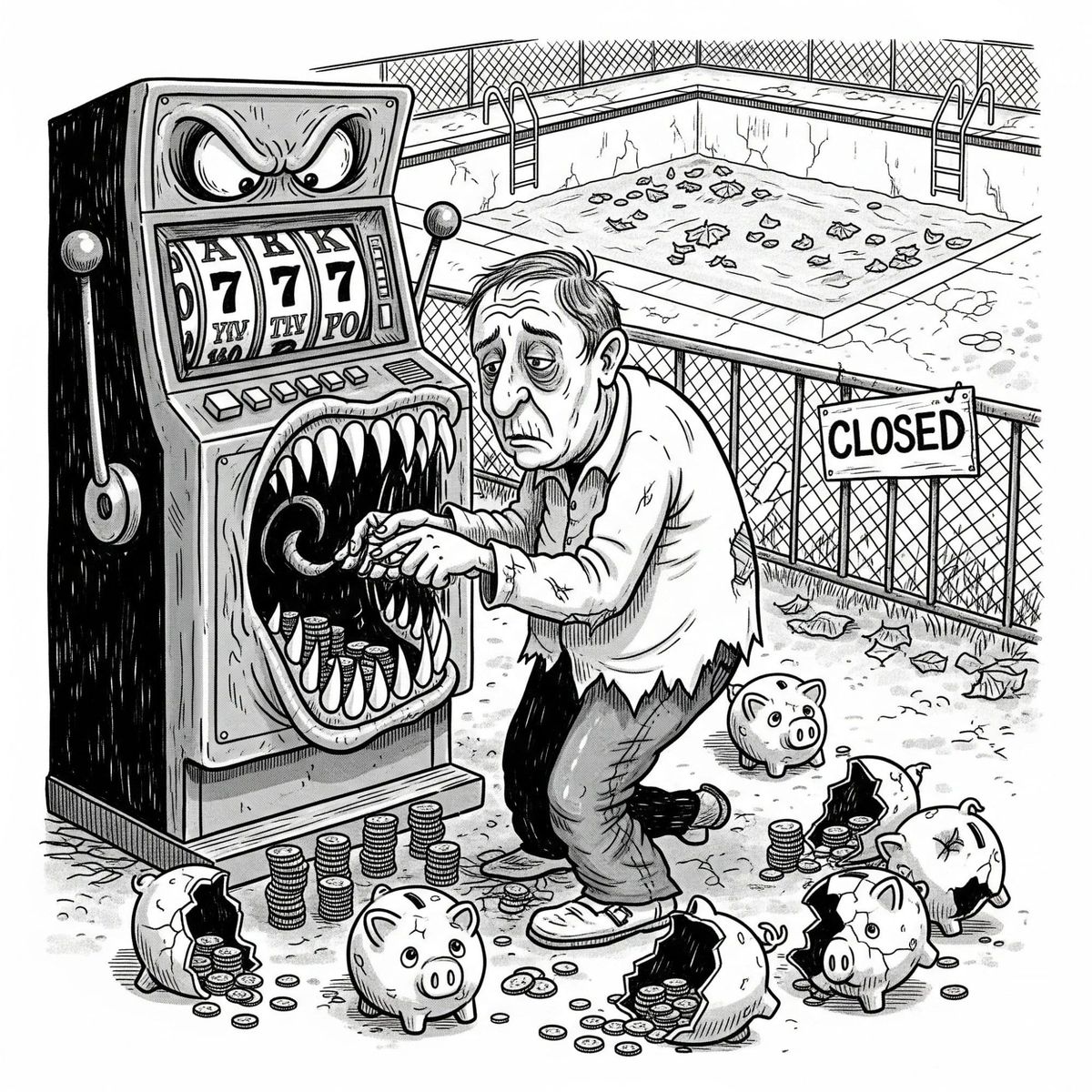
These aren’t glamorous casino tables surrounded by energy and excitement. Video gambling in Streator happens alone, quietly, in the corners of gas stations, bars, and clubs. There’s no social buzz, no community-building—just a glowing screen and a button that gets pressed again and again.
It’s not entertainment in the traditional sense.
It’s not even leisure.
It’s a transaction—one that almost always favors the house.
We hear it all the time: “It’s their money. People can spend it however they want.”
Absolutely. But we still need to ask:
Are people doing this because they enjoy it—or because they don’t know how to stop?
The People with the Least Are Losing the Most
Let’s stop pretending this is a problem of excess. It isn’t hedge fund managers and real estate moguls lining up at the video poker machines.
This is single parents. Retirees. The person clocking out of their second shift. The neighbor who’s trying to stretch their last $100.
The median household income in Streator is $54,953.
The per capita income is $32,820.
Both fall well below state and national averages. And yet, $9.4 million was lost in the last year alone.
That’s not leisure. That’s leakage.
---
What We Could Build Instead
$9.4 million could have funded:
A new community pool, like Ottawa’s, with several million left over.
Major downtown rehabilitation, without a single TIF dollar.
Year-round programming for youth, seniors, and families.
A citywide sidewalk restoration effort.
A permanent solution to “we can’t afford that.”
Every time a new idea is proposed—a park improvement, a teen center, beautification—we hear the same thing: “Where will the money come from?”
Well... it’s already here.
It’s just going into machines.
---
This Is Now a Business Model
Yes, the city gets a cut. Local bars do too. The state takes its share. It all feels like a win. But here’s the hard truth:
We’re balancing public budgets by draining private wallets—often the most vulnerable ones.
That’s not smart economics. That’s structural dependency on pain.
And yet we look away. We don’t talk about it. We call it “gaming revenue” and act like it’s no different than sales tax.
But unlike buying groceries or going out for dinner, gambling doesn’t build anything. It doesn’t nourish. It doesn’t bring people together. It just subtracts, quietly.
---
A Hard Question Worth Asking
This isn’t about blaming the people who play. Far from it.
Most aren’t in it for glamour—they’re looking for relief. For a little hope. For something that feels like control. And in a world that often feels stacked against them, who can blame anyone for trying?
But we must still ask:
What if even a portion of that $9.4 million stayed in Streator—and helped build a future we’re proud of?
What if it went toward local business loans?
Or family services?
Or park improvements, or arts programs, or literally anything that left something behind other than regret?
Because the people losing this money are not “other people.”
They’re our people.
They are the same families asking for help. The same households worrying about rent. The same neighbors struggling to feel seen.
So no, this isn’t about shame. It’s about possibility.
But it’s also about personal responsibility—and collective accountability.
Are we doing what’s best with what we’ve got?
Are we supporting each other—or silently watching each other stumble?
Because real community means stepping in—not just when it’s convenient, but when it’s needed.
---
The Real Gamble
We’ve normalized these losses. We’ve folded them into our budgets and buried them in small talk.
But make no mistake:
This is a crisis in slow motion.
And the real gamble isn’t whether someone hits a jackpot.
It’s whether we, as a city, are willing to finally confront this—and chart a new path.
A path where money doesn’t just disappear, but is transformed.
Into trust.
Into opportunity.
Into hope.
So we ask:
What kind of town are we building with our losses?
And what kind of town could we build—if we found another way to win, together?