A Tale of Two TIFs: Morris Plans Menus, Streator Plans Pumps
When it comes to shaping a city’s future, not all Tax Increment Financing (TIF) plans are created equal.
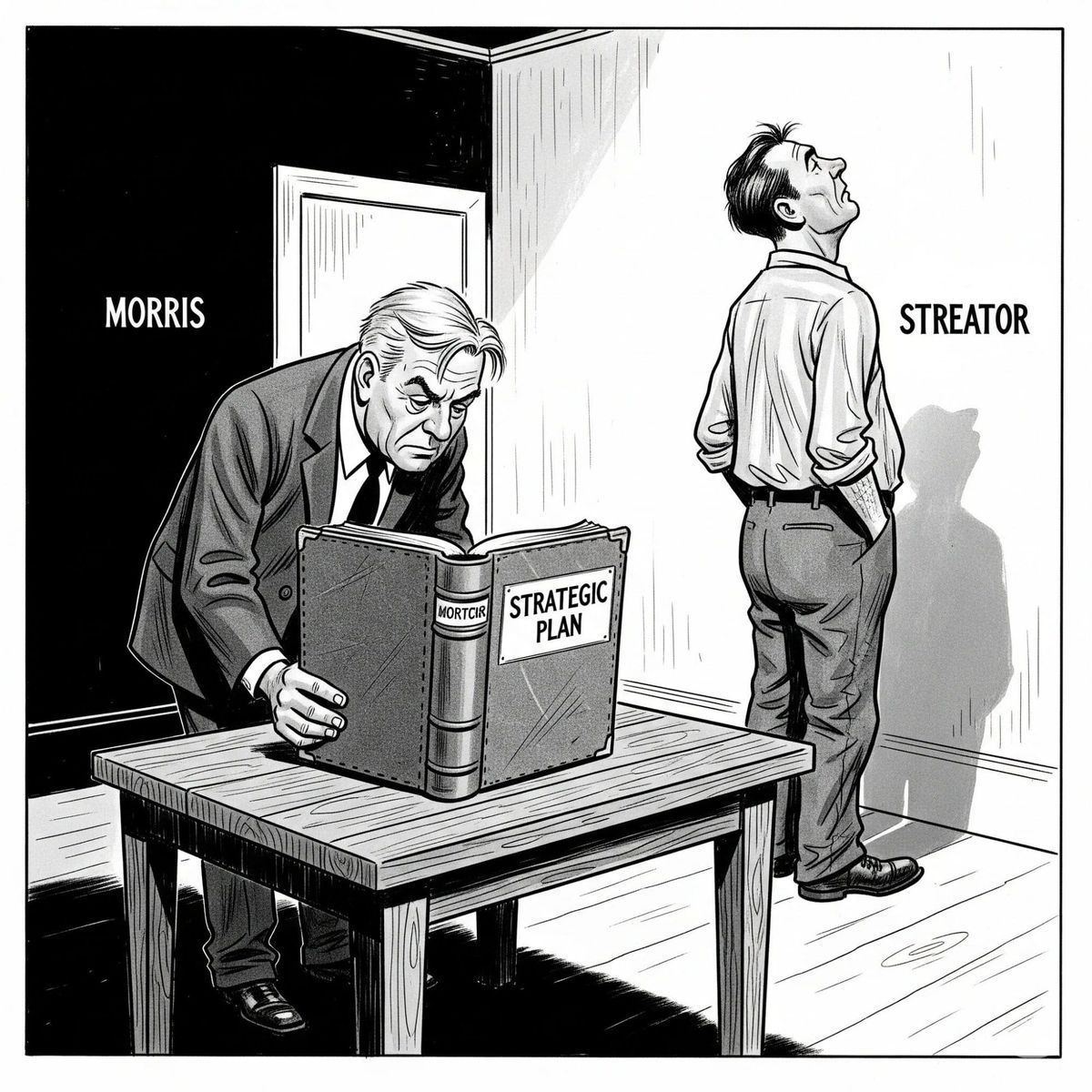
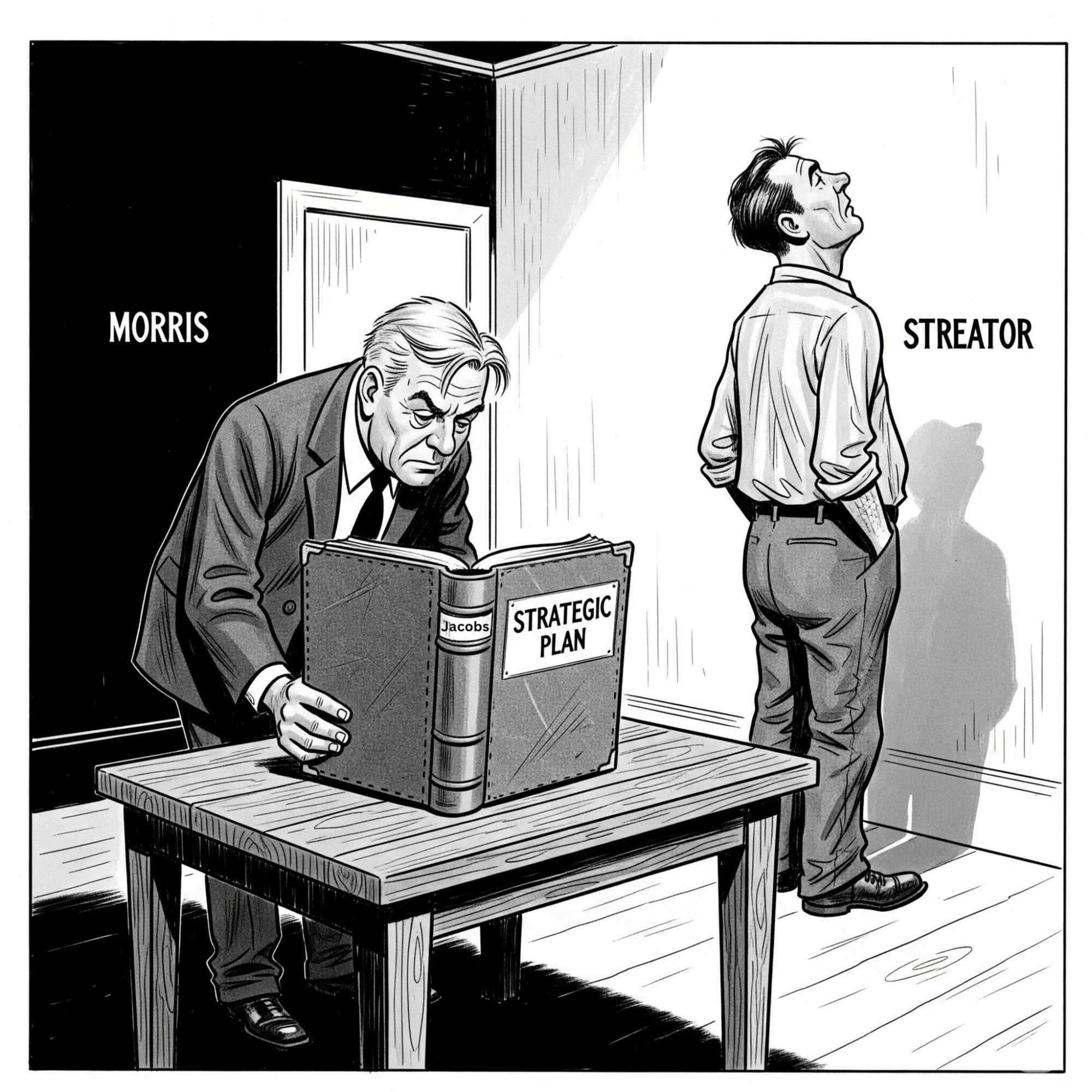
Take the City of Morris. Their latest initiative uses TIF dollars not to raze buildings or roll the dice on generic developments, but to carefully cultivate local vitality. Their newly launched restaurant incentive program offers grants to downtown property owners—specifically to help them install commercial kitchens and open food establishments. These grants are reimbursement-based, require a business plan, and must show proof of generated sales tax. The goal is simple but strategic: make downtown a place people want to be. More dining means more foot traffic, more energy, and a stronger local economy. It’s a plan built on community input, grounded in economic data, and focused on long-term vibrancy.
Now contrast that with Streator’s current TIF controversy.
Rather than seeding locally owned restaurants, cafes, or creative reuse of historic buildings, Streator’s plan is to help Beck’s, a chain gas station from out of town, demolish Immaculate Conception Church—a building full of architectural character and redevelopment potential—to build yet another gas station downtown. Yes, downtown. Across from the park. Near the very heart of our historic and cultural district.
This isn’t just a bad idea—it’s a betrayal of our own vision.
Streator’s Downtown Facade Grant is a shining example of how TIF can be used responsibly. It helps property owners restore, improve, and preserve the character of their buildings in ways that support small business growth and make downtown more inviting. Recent recipients have installed new signage, windows, and historically sensitive updates. These are incremental, visible improvements that align perfectly with the spirit of Streator’s 2014 Downtown Strategic Plan—which called for “authentic historic building stock,” “reinvestment in downtown character,” and “creating additional destinations for residents and visitors”.
That plan envisioned a downtown built on charm, walkability, culture, and community—not concrete pads and gas station canopy lighting.
Beck’s proposal doesn’t just miss the mark—it bulldozes the target. It is completely out of alignment with the very strategy the city adopted a decade ago. And unless something has drastically changed (besides who’s sitting on the council), it might be time for the city to either recommit to the 2014 plan or craft a new one that reflects today’s values—ideally before the backhoes arrive.
Morris understands this. Their incentives target small-scale hospitality—the kind of thing Jane Jacobs called “the sidewalk ballet,” where lively, welcoming streetscapes make downtown worth walking through. A new diner or speakeasy won’t just feed locals—it feeds the ecosystem of surrounding businesses. Morris even points to its city-owned redevelopment properties, suggesting adaptive reuse rather than demolition. They’re building a downtown future with a vision, not just reacting to whichever national chain pulls into the lot with a blue-ink site plan.
So the question isn’t whether TIF is a good tool. It’s how we choose to use it. Do we treat it like a scalpel or a sledgehammer?
Morris picked the scalpel. Streator, so far, seems content to swing wildly.
And in the rubble, we might lose not just a building—but our chance at becoming the kind of town people want to visit, live in, and be proud of.
—
The Streator Standard
Because Ignoring Your Own Plan is Worse Than Not Having One