What If Streator Still Had a Train to Chicago?
A town once connected, and the tracks we still dream about.
There was a time—not long ago in the grand story of this town—when Streator’s train depot was more than a relic. It was alive. The heart of the city beat alongside the rails that ran straight through it. Trains didn’t just pass through Streator—they stopped, lingered, picked up and dropped off the hopes of a community. And for decades, they carried those hopes across the country.
It began with the Atchison, Topeka & Santa Fe Railway, one of the most legendary names in American rail. Streator was a proud stop on its mainline, a crossroads for goods, ideas, and people. The depot on Illinois Street, built with classic red brick and Midwestern grit, connected this modest manufacturing town to Los Angeles, Albuquerque, Kansas City, and of course—Chicago.
For years, Streator thrived on the rhythm of arrivals and departures. Coal from our mines left in railcars. Soldiers bound for service boarded trains in uniform. Families gathered on the platform to welcome loved ones back from war, from school, from adventure. Rail wasn’t a luxury. It was a lifeline.
And then came Amtrak.
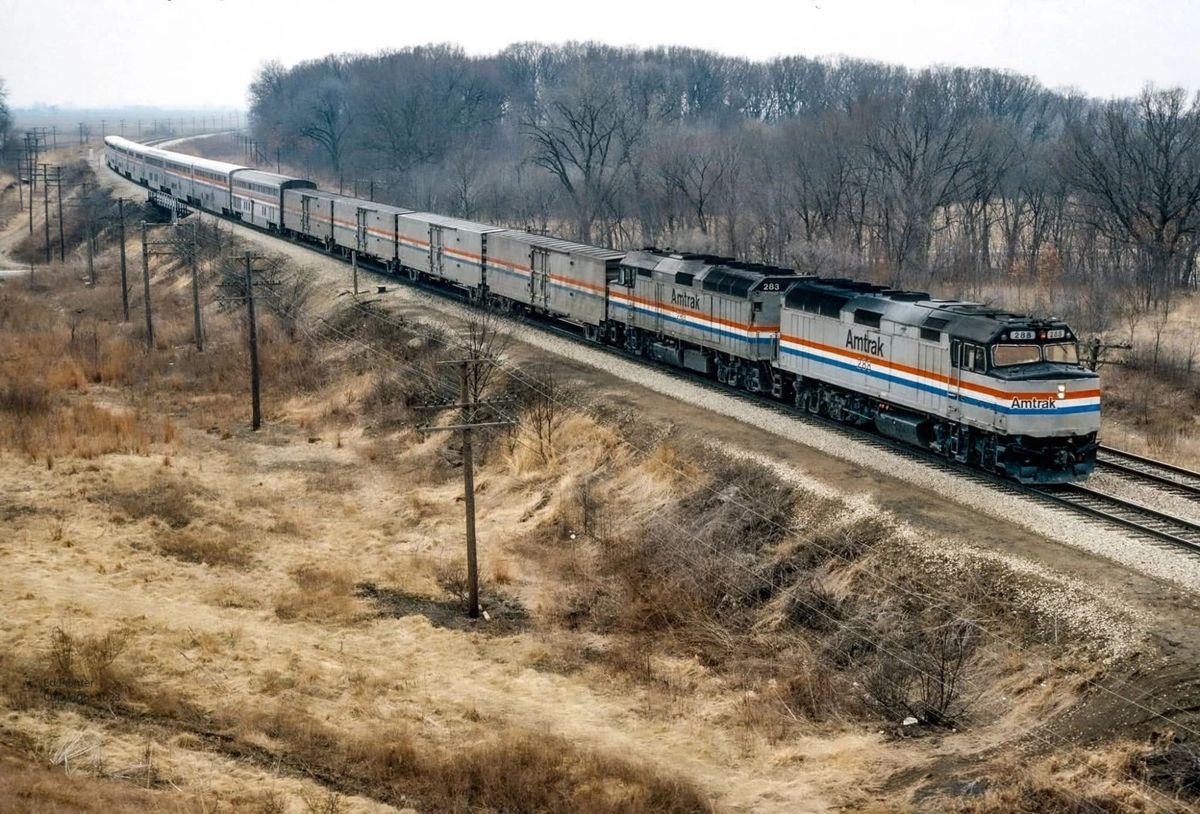
When the Southwest Chief began running in 1971, Streator remained on the map—for a time. The long-distance route maintained a daily stop here until 1996, when a new connection near Cameron, Illinois, rerouted the train and quietly erased Streator’s place in the national network. Chillicothe lost service too. But Dwight? Just down the road? They kept theirs.
We weren’t dropped because we didn’t use the train. We were dropped because the system was changing, and our geography didn’t fit the new formula.
Now, Streator’s once-busy depot is still standing—solid and silent. BNSF maintenance crews use it. Railfans photograph it. But no tickets are sold. No passengers wait. And yet, the tracks are still there. The bones of that dream remain.
No one is suggesting Amtrak will return tomorrow. There’s no federal bill with Streator’s name on it. This isn’t a pitch for dollars. It’s a moment to remember what we once had—and to imagine what we could have again.
Because whether it’s train service, downtown revitalization, housing, or something else entirely—every big idea starts the same way: with someone dreaming out loud.
Streator has always been a town that built big things. From glass to locomotives to the Roamer automobile, we didn’t wait to be chosen. We chose to matter.
So maybe this isn’t just about trains.
Maybe it’s about daring to believe that small towns deserve connection. That our past still speaks to our future. That something as simple as imagining a train rolling into town might stir the kind of hope that leads to action.
Because every comeback starts with a question:
What if?