The Business of Being Neighbors
Mind your own business.
It's good advice, and probably something most people should follow a little more often. Nobody needs to know everything about their neighbors. What people do in their own homes is generally their own concern.
But what happens when the FBI shows up with an armored vehicle, surrounds a house and closes down a residential street? Are the neighbors and the town supposed to pretend nothing happened?
Apparently, some people think so.
Following The Streator Standard's recent reporting on the September 23 FBI operation on East Grant Street, several people suggested that the whole affair was nobody else's business.
It's an odd argument. Federal agents conducted an operation in a Streator neighborhood, and two people now face charges in federal court. Both pleaded not guilty, and the allegations against them remain unproven. The courts will decide whether prosecutors can prove their case.
But the operation itself happened, and the court proceedings are public. Why shouldn't the people of Streator know about them?
When police close a street, it affects more than the people living in one house. Neighbors may be concerned for their safety. Someone trying to get home or to work may find the road blocked. Others may simply want to understand why such a large police operation took place in their neighborhood.
They don't need an invitation.
The idea that people should simply mind their own business raises a bigger question about what it means to live in a community. Where exactly does one person's business end and another's begin?
Every decision has the potential to affect other people. Someone who lets a house fall apart doesn't just create a problem for himself. His neighbors get to look at it every day, and they may eventually feel the effects when they try to sell their own homes. Someone who drives recklessly puts everyone else on the road at risk.
People are free to make their own decisions, but they can't always keep the results to themselves.
Consider something as simple as litter.
Anyone who follows local Facebook discussions has probably come across Brett Baumrucker's posts about the trash scattered around Streator. He regularly goes out and picks it up, often sharing photos of what he finds.
And somehow, even picking up garbage can attract criticism.
Some people accuse him of doing it for attention, as if posting about the problem somehow cancels out the work of cleaning it up.
Perhaps he does want attention. Maybe the litter deserves some.
After all, somebody left that trash behind. It didn't fall from the sky. Someone decided that a sidewalk, street or public park was an acceptable place to leave garbage, and now somebody else is spending his time cleaning it up.
The criticism seems misplaced when someone is drawing attention to a problem while also doing something to address it.
Fortunately, the same principle that allows one person's actions to create problems also allows another person's actions to make things better.
Think about what happens when someone buys an old, run-down building downtown and fixes it up. The owner might be motivated entirely by the hope of making money. There's nothing wrong with that. But the work also improves the street, helps nearby businesses and gives other people a reason to invest in the area.
The owner benefits, but so does everyone else.
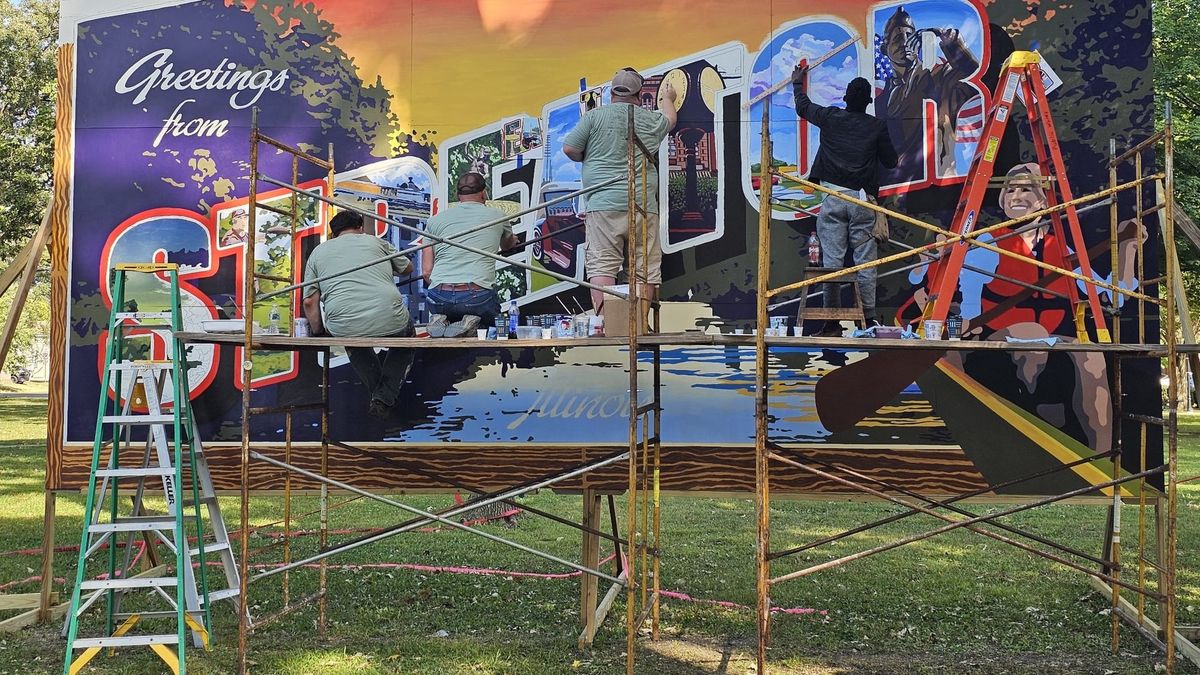
The same goes for the people who organize festivals, coach youth sports, maintain gardens, create public art, help families in need or raise money for local causes. They could spend their weekends doing something else. Instead, they choose to make Streator a better place for people they may never meet.
Imagine what this town would look like if everyone involved in those efforts just decided to mind their own business instead.
There would be fewer events, fewer places worth visiting, fewer opportunities for young people and a lot less to be proud of.
Communities depend on people willing to do things that don't benefit only themselves. They also depend on residents who care enough to recognize problems when they see them.
That doesn't give anyone permission to spread rumors, invade someone's privacy or treat an accusation as proof of guilt.
People deserve to be treated fairly, even when accused of serious crimes. But wanting to know what happened down the street is hardly an unreasonable demand.
Public records and accurate reporting help people understand what's happening around them. Without reliable information, rumors and speculation fill the gap.
It's troubling how quickly some people dismiss information simply because they don't like what it says. Asking questions and demanding proof are healthy habits. Refusing to consider facts that challenge existing beliefs is another matter.
That kind of cynicism won't help Streator.
Neither will the belief that making the city better is always somebody else's job.
There are plenty of complaints about the condition of neighborhoods, empty storefronts and the problems facing Streator. Some are justified. But complaining is easy, and waiting for somebody else to fix things is easier still.
Perhaps a developer will arrive with a grand plan. Perhaps the city will secure another grant or a major employer will announce hundreds of new jobs. All of those things would be welcome.
In the meantime, people right here in Streator are making improvements every day, often with little attention or recognition. Their work won't solve every problem, but the city would be considerably worse off without them.
Not everyone has the money to restore a building or the time to volunteer. That's understandable. Taking care of a property, helping a neighbor, supporting a local business or simply learning the facts before forming an opinion can make a difference.
Streator has always depended on people whose actions affect others. The decisions made today, good and bad, will shape the city that future generations inherit.
There's nothing wrong with minding personal affairs. Privacy matters, and people should be free to live their lives without unnecessary interference.
But living in a community comes with the understanding that individual choices have consequences beyond the people making them.
Sometimes those consequences leave a mess for somebody else to clean up.
Other times, somebody decides to pick up the trash.
The future of Streator isn't somebody else's business.
It's everyone's.