Anderson Fields: A Gift From the Past, A Question for the Future
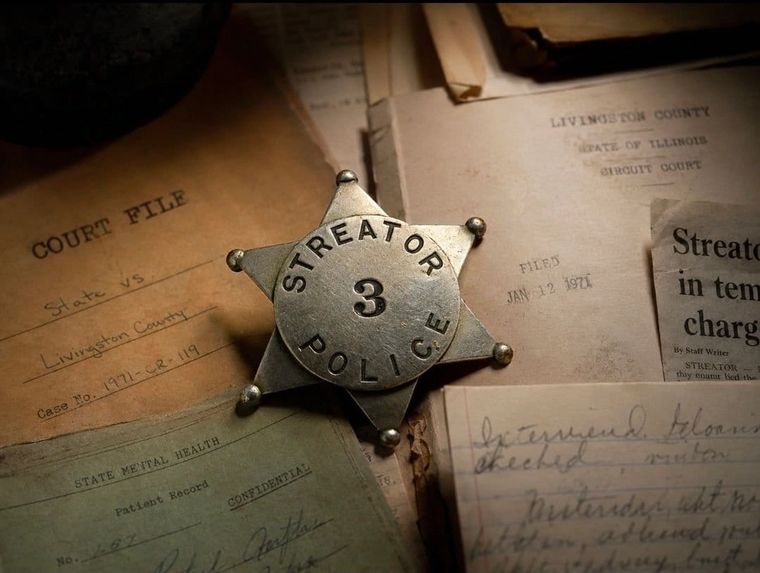
Anderson Fields Golf Course has been a quiet part of Streator life for nearly a century. Tucked just off Bloomington Street, it’s easy to drive past without a second thought. But this modest nine-hole course, with its faded charm and forgiving fairways, sits atop a rich and almost mythic history—one that might just hold the key to a bold future.
The Origins: Fairgrounds, Storms, and Generosity
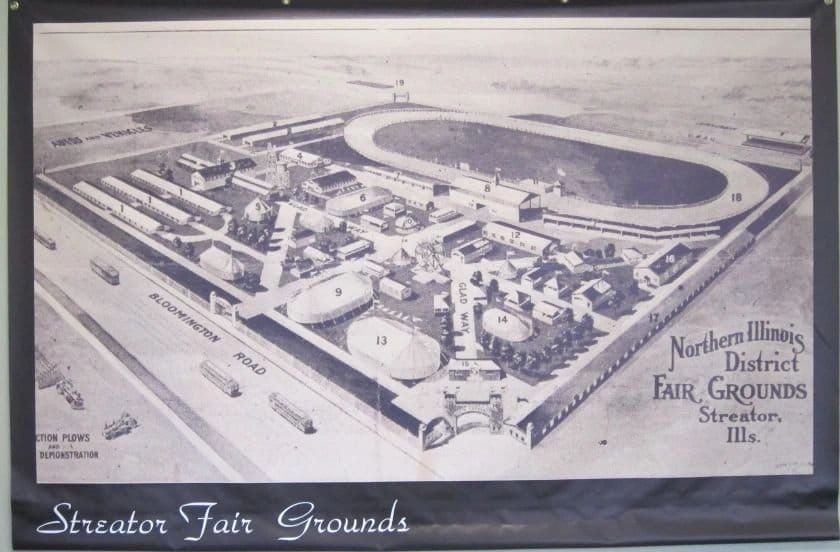
The story of Anderson Fields begins not with a tee shot, but with a horse race. In 1902, the Streator Trotting and Fair Association established a fairgrounds on the site. Before the first fair could be held, a devastating cyclone in 1903 destroyed the grounds and killed several racehorses. Among the dead was a prized horse owned by Belgian stonecutter Edward Opovin. He buried the animal beneath the soil and carved a stone marker, which still rests near the fourth hole—a quiet monument to the land's original heartbeat.
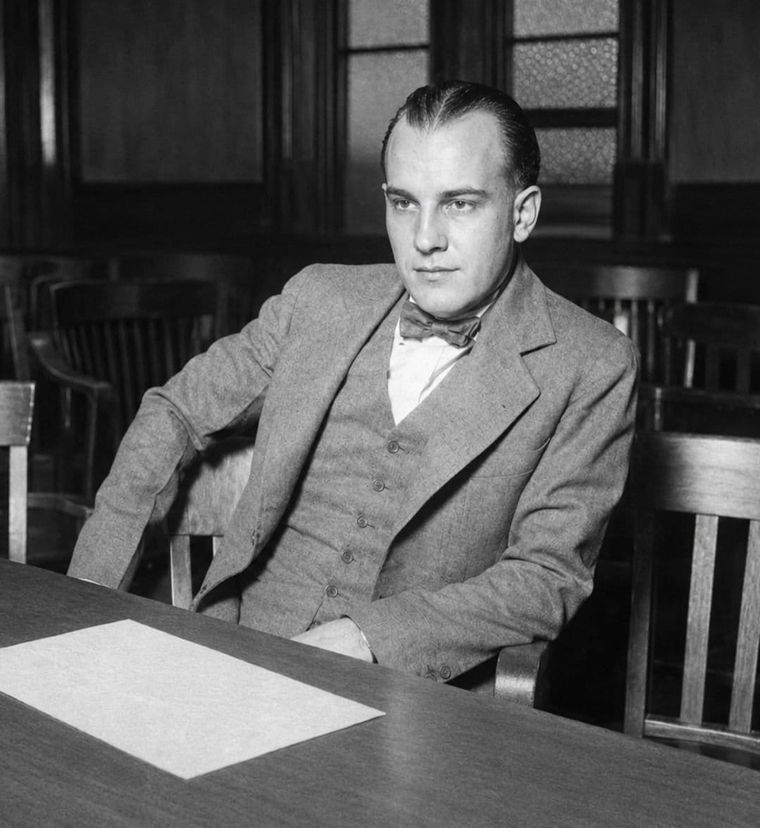
The grounds were rebuilt, and by 1912, the fair debuted to the public. But the final event came just five years later, in 1917. The land was then slated for a subdivision—until a man named W.D. Waldrip led a campaign to raise $20,000 to purchase the property for public use.
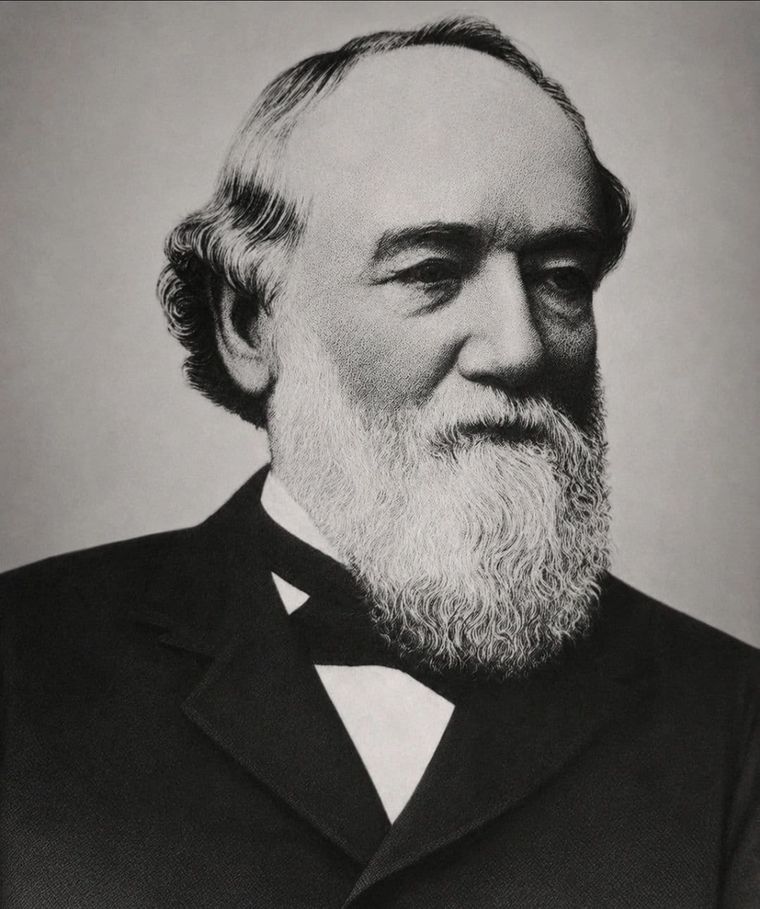
Then came Andrew H. “Andy” Anderson.
In the early 1920s, Anderson built a nine-hole golf course on the land at his own expense and opened it to the public with minimal fees, saying all should have a chance to play golf in Streator. On July 4, 1925, the course was officially dedicated. In 1927, 90 public memberships were sold at 50 cents apiece. On October 19, 1942, Anderson turned the deed and $505.59 over to the city, stating:
“I hope you will accept these funds and the conveyance to the City and that the City will carry on the institution for the public, either as a golf links or for any other recreational purposes should a change of its use seem desirable at some time in the future.”
Anderson didn’t just build a course—he left us a challenge.
A Course Largely Unchanged
Since 1925, little about the layout of Anderson Fields has changed. It remains a 2,688-yard par 35 for men and a 2,364-yard par 37 for women. In 2008, the city constructed a new clubhouse, cart storage, and maintenance facility. The course is open March through November, seven days a week, no tee times required. It remains a treasure to those who golf and a curiosity to those who don’t.
But as the years stretch on, the question becomes harder to ignore: Is a golf course the best possible use of this land for the next hundred years?
Imagining What Could Be
This isn’t a call to bulldoze a legacy or erase the past. This isn’t about building something tomorrow or pouring money the city doesn’t have into shiny dreams.
This is about starting to ask the question—and beginning to plan.
Andy Anderson himself gave us that permission.
What if, rather than only a 9-hole course, Anderson Fields became a regional recreation anchor, drawing families and visitors from across the region?
Here’s what it could become:
---
A Vision for Anderson Fields: 8 Transformative Ideas
1. Regional Skate + Bike Plaza
Full skatepark, pump track, and youth-friendly bike terrain
Host competitions, demos, and youth programs
2. Multi-Sport Outdoor Complex
Basketball (lit), pickleball, mini-soccer, and sand volleyball
Attract leagues, tournaments, and regional players
3. Splash & Swim Campus
Public pool, zero-entry splash pad, lap lanes
Run swim lessons, water fitness, and family events
4. Paved Walking + Wellness Trails
Loop with lighting, benches, and outdoor fitness stations
Designed for all ages and abilities
5. Event Pavilion & Food Truck Plaza
Amphitheater for live music, movies, and community events
Space for weekly markets, art fairs, and festivals
6. Community Hub Building
Indoor space for meetings, parties, art classes, toddler play
Heated restrooms and public Wi-Fi
7. Heritage Walk & Nature Memorial
Pathway telling the story of the racetrack, the storm, Opovin’s horse, and Andy’s dream
QR codes and markers telling the land’s layered story
8. Bonus Ideas
Dog park
Disc golf
Ice rink for winter skating
Outdoor classroom for school field trips
---
What the Park Board Is Tasked With
According to city code, the Park and Open Spaces Board is charged with assessing community needs and devising plans for adequate recreational facilities. They’re tasked with identifying priorities, planning for the future, and recommending projects for the city’s annual budget. Their job is to look beyond maintenance and dream toward development.
The 2014 Comprehensive Plan set clear goals that still matter today: create a network of trails, build a skate park, provide more adult and youth recreation options, and better connect open spaces to neighborhoods.
Anderson Fields could be the perfect canvas for these goals.
The Time Is Now to Start the Conversation
No, we shouldn’t rush. And no, we shouldn’t spend money we don’t have. But if we don’t make this a priority, it will never happen. Big ideas take time, consensus, and planning.
So here’s a simple proposal:
Let’s create a master plan for Anderson Fields—not just to maintain it, but to magnify it. Let’s imagine a space that future generations will thank us for. Let’s honor Andy Anderson’s generosity by making his gift to Streator even more powerful for the next 100 years.
Let’s begin.