The Kangley Standard: When Streator Built Itself From Within
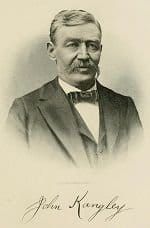
Before the grants, consultants, and economic development buzzwords, there was a simpler, stronger model—the one that actually built Streator. It was a model rooted in presence: people who lived here, worked here, and reinvested what they earned back into the city itself. No glossy renderings. No out-of-town shell companies. Just neighbors building for neighbors. This wasn’t theory—it was the engine that turned Streator into a regional powerhouse. And few followed that model more faithfully than John Kangley.
Born in County Meath, Ireland, in 1843, Kangley lost both parents as a child. Orphaned and alone, he sailed to America at age 11 and found himself in the coal mines of Grundy County. He attended school briefly but, like so many in his position, was pulled into hard labor early. But where others saw only darkness, Kangley saw opportunity.
By 1869, he had moved to Streator and begun operating his own coal mine. A decade later, he became general manager of the Star Coal Company, operating what would become known as the Kangley & Carbon Hill Mines. He wasn't a distant investor. He lived in town. He walked its streets. His children went to its schools. He built his brick home here in 1882 not as a showpiece, but as a commitment.
Kangley poured profits from coal and later rail investments back into the city that made his success possible. His family didn’t relocate to the suburbs. They were rooted in Streator—just like so many of the other leaders, founders, and builders of that era. The community didn’t just grow because of them. It was them.
This local model—residents investing in residents—wasn’t romanticism. It was effective. It made Streator a regional powerhouse. A city with jobs, factories, downtown bustle, and civic pride. The kind of place where things got built—and stayed built.
And now?
Now we hand out tax abatements and TIF dollars to out-of-town entities with headquarters two counties away. Projects stall, promises fade, and it’s no mystery why—the people we’re trusting to build Streator aren’t really invested in Streator. They don’t shop here, live here, or send their kids to school here. They’re watching the bottom line, not the community.
But here’s a question worth asking: Is that really progress? Should we keep betting on outsiders who care more about profit margins than parks, more about spreadsheets than sidewalks?
Or should we rediscover what worked?
Streator’s golden age wasn’t built on buzzwords. It was built by people who showed up, stayed put, rolled up their sleeves, and invested in the place they called home. People like John Kangley.
The village named after him still sits north of town—quiet now, but not forgotten. Neither should he be. His story isn’t just inspiring. It’s instructive.
Yes, real development takes time—but only when it’s driven by people who care about the place itself. The kind of steady, bottom-up growth that once made Streator thrive doesn’t come from a distance. It comes from being here.
And maybe that’s the question we need to start asking again—not what’s flashy, but who’s present. Not who’s promising progress, but who’s willing to plant roots and see it through.